
Full Circle!
(Past, present and Future!)
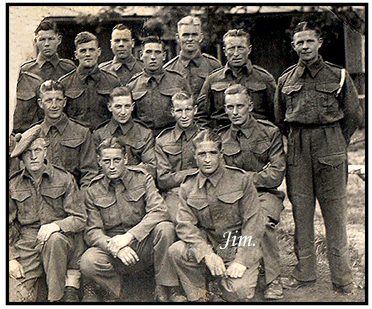
The Long (82 Day) March to Freedom.
This journey has been healing, helping me finally put old ghosts to rest. It began after my father passed, when researching his wartime history led me to powerful images that changed the course of my life.
IN 1940 at 20 yrs of age he was conscripted into the 2nd Battalion of the Hampshire regiment. He was captured by the Germans on 8th June 1940 at Ruoen in France. Of the 340.ooo British soldiers that went to France with the BEF and were rescued by (Operation Dynamo.) some 40,000 British Troops were left behind and went into Captivity. His group was force marched 350 miles over a 3 week period to Trier in Belgium. With little food and water during the hot summer of June 1945, it was a challenge but nothing to compare with the forced march out of German occupied Poland in the winter of January 1945!
From Trier they were crammed into cattle trucks, similar to the ones that Jewish families and civilians were transported to the Nazi concentration camps. Marked 8 horses or 40 men, up to and over over 60 men were locked in and sat with thier knees to thier chins. They endured a harrowing 600-mile journey over three days and nights, uncertain of their destination.
During the trip, soldiers had to use their tin helmets and boots as toilets, then toss the waste through the small slats in the carriage. Those nearest to the slats ended up getting showered with it. They sat and slept in the same position for the entire journey.
Apart from the occasional stale loaves thrown into the wagons, there was no food, and drinking water was in short supply. By the time they arrived at their destination men were suffering from dysentery, lice, exhaustion and i would assume complete dejection.
When the carriage doors were opened they discovered they were at a prisoner of war camp in Poland.
He spent his first two years at XXA in Torun, working in construction crews often likened to slave labor, under strict supervision and armed guard, contributing to the German war effort. After two yrs he was was transferred to a British work party BAB 20/1 (E3) in Upper Selisia, Blechammer, close to the I.G.Farben oil refinery complex.
The I G Farben complex was a prime target for British and American Air Force bombing raids which occurred twice weekly on Tuesday and Friday from June to December 1944. During one of those air raids on Blechammer 30 soldiers based at E3 were killed. The living conditions, long working hours, minimum rations and the ever present threat of violence, are well documented.
The long marches to Freedom. (Eleven long weeks, 82 days)
On January 22, 1945, as the Russian army advanced from the East, POW camps across Germany and Poland were evacuated with barely any warning. The men, ill-prepared and poorly equipped, faced brutal conditions. That January was among the coldest winters on record, with temperatures plunging to -25°C. Around 600 men left the camps at XXA Torun. It is on record there were 30 recorded deaths and burials on that march, men died from a combination of frost bite, malnutrition, exhaustion, Dysentery, heart attack, and some shot or beaten to death by the German guards. It was on record that they were instructed to shoot any soldiers considered to be malingerers.
His camp BAB20/1/e3 and BAB 48 was evacuated on the 22 Jan and forced march west ward along the Czechoslovakian mountain and into Bavaria. He mentioned the difficult conditions and having to leave dead soldiers in the snow covered fields that had passed away during that night and move on! In all my Fathers march ended in Bayreuth on the 13 April 1945 when his group met up with the American Army. Firstly i still find it difficult comprehend how men endured and survived 11 weeks (82 days) while under German guard, with limited rations, inadequate clothing and shelter. I am now Awaiting details from the National Archives of the mistreatment and deaths of British Soldiers on the march from Blechammer, Upper Silesia, to Bayreuth and will publish them here shortly.
The IG Farben Complex was situated a few miles from an Auschwitz sub camp. He described witnessing Jewish prisoners in desperate conditions, walking along the road, and shared his sadness and inability to help them. I believe those haunting images stayed with him long after the war was over.
The marches out of Poland haven’t received the recognition they truly deserve. The soldiers were mostly forgotten, never given the chance to share thier experiences.. I set out to piece together the struggles my father faced during and after the war. My mother once said he’d promised to tell me his story someday, but that moment never came. That missing piece left me wondering if my journey might have been easier had he shared it.
PTSD!
When they returned to England, many men managed to resume normal lives, but others carried deep scars from their experiences—my father among them. I think his time there locked away his emotions, robbing him of the ability to fully enjoy himself. Sometimes he’d start telling a joke, but just before the punchline, he’d break into uncontrollable laughter, tears streaming down his face, only for it to melt seamlessly into sadness. He’d finish the joke, but the joy would be swallowed by memories of the past. Then he’d stop suddenly and fall silent. Was it survivor’s guilt, buried anger, or simply a profound grasp of loss and the futility of it all?.
My father never held any resentment toward the German people, understanding that they, too, were victims of war. In a way, aren’t we all, carrying the weight of inherited trauma passed down through generations? He also acknowledged that soldiers in Japanese POW camps faced even harsher conditions, a testament to his deep wisdom and compassion.
His deep-rooted anger came from the injustices they endured and his inability to tell his story. He carried that weight his entire life, and I think that was the real issue. Sometimes, his pent-up frustration would boil over at small comments most people would ignore, creating a steady undercurrent of tension. In those moments, he’d pull back into his own world, seeking solitude and privacy.. Over time, I’ve learned to recognize those triggers..(tbc). So as a family we were more often than not walking on egg shells so as not to upset that delicate balance! He was a man of constant patience and kindness, never raising a hand in anger or speaking a harsh word to any of us children. Yet beneath the surface, a quiet rage simmered unnoticed. My mother would say, give him a couple of days and he’d calm down and be fine. She understood what he had endured, stood by him without judgment, and cared for him, shielding him from all stressful situations. Had he been an alcoholic or gambler, we might have been able to help him, but his condition was that silent killer of a person's psyche: the inability and lack of opportunity to share their story. He became socially isolated, with no friends or hobbies. On December 15 1945, my father was discharged from the Army as medically unfit.
A British POW, who was the senior officer on the march from XXA, "Staff Sargent Thomas Aitken" made a sworn affidavit as to the terrible conditions on the Northern route of that particular march. Based on his affidavit, the senior German officer leading the march, Hauptmann Willie Mackensen, was tried, convicted of war crimes, and executed by hanging at Hamelin Prison, Germany, on March 8, 1946. The full affidavit, detailing the conditions, times of death, causes, and burial locations for each soldier along the route, is available here.
Read their Story!
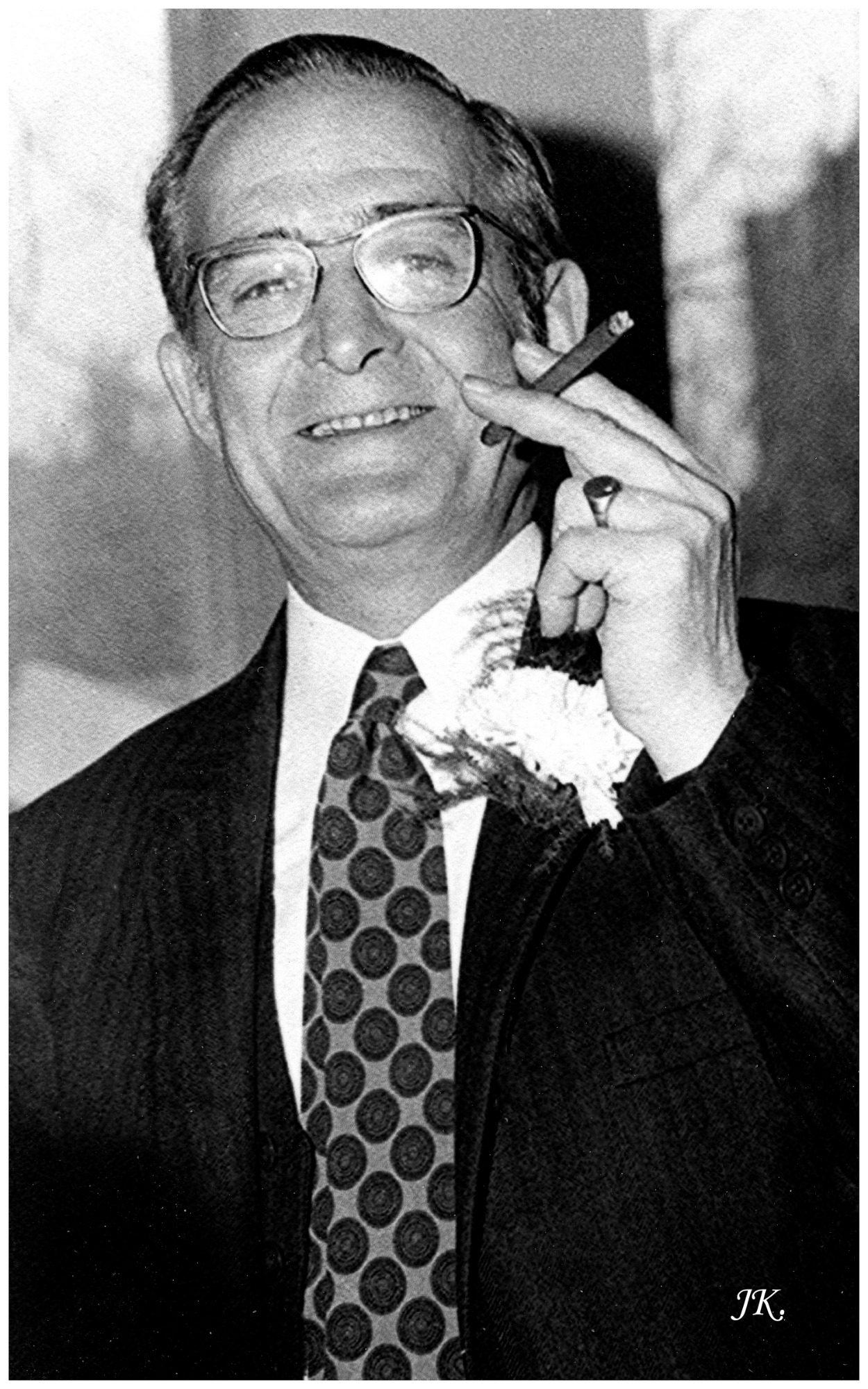
Is Blood thicker than Water!?
(Betrayed in Life and again in Death!)
Some content on these pages has been temporarily taken down for legal reasons.
The betrayal!
If someone had suggested, for any reason, that I wouldn’t take part in the arrangements or be present at my father’s funeral, I would have laughed it off and dismissed it as impossible. Yet somehow, it became a reality. How and why did this happen? I needed answers.
IIn their final years, my parents discovered they had been betrayed—a painful truth that weighed heavily on them and darkened their last days. My mother passed away first, leaving my father without his anchor, his support, and the one person who truly understood everything he had endured. Cut off from his family and in a vulnerable state, he went through a time of heavy psychological control, marked by contempt and a clear disregard for his financial, mental, physical, and emotional well-being.
Still troubled by his WWII experiences, he struggled to cope with stress. Aware that he lacked the emotional strength to resist, they moved forward with their plan, using their solicitors to pressure him into signing over his property to his grandchildren, and giving up his legal right to live there. At the time, his estate was conservatively estimated to be worth over £500,000, yet he had no legal representation.
Unhappy with his circumstances he walked away from his property, leaving a note saying he would not be returning. When i inquired as to his reasons for leaving, i was subjected to verbal abuse and intimidation. He then went to live with another sister, After a short period of time he was placed in a care home, unknown to myself and family members. they than systematically stole his life savings, disabled war pension benefits, and Assets. Estimated valued of his assets? close to half a million pounds! The last time I visited him at his new address, I gave him a goodbye kiss, and he thanked me for coming to see him. That was the last time I had contact with my father.
The last time I tried to see him, I was threatened with assault, and my sister, on a separate occasion, was manhandled off the property. When I visited his new address, I was denied entry and physically attacked. (To be continued).
Picture this: an extremely aggressive person marching down their path toward you, brandishing a three-foot wooden or metal baton high in attack mode, shouting at the top of their lungs, “Come on then, do you want some of this? Come on!” Wow. Yet another carefully executed isolation tactic—fear!
Caught off guard and unprepared, I hoped my father hadn’t seen the altercation. With no other choice, I retreated to my car, only for him to threaten to smash the window. This isn’t the full story, as I want to protect the privacy and sesitivity of other family members close to me. In fact, the full episode has never been told! (tbc) Eventually, the police arrived, arrested him, and took him away in handcuffs. He pleaded self-defense. Tough guy? Later, the police informed me my father had been moved to a nursing home, but when I asked for his new address, they withheld it under the Freedom of Information Act. You couldn’t make it up!
I could have gone back to stand my ground, but the dynamics were now out of my control. My partner Wendy, had been diagnosed with terminal cancer and needed my full-time care. With my emotions not in a mindfull state, who knows—if I had returned, the outcome would probably been tragic. I couldn’t bear the thought of her suffering alone in hospital, becoming an innocent victim of my anger. My love for her was far greater than my ego. After my divorce, when I had virtually nothing of value except my character, she shared everything she had with me and asked for nothing in return. Respect!
My Father never complained, not because he didn’t see the injustice the betrayal,, but because he saw it too clearly. War had shown him the absurdity of human cruelty — how people betray for their own benefit, how reality fractures under violence and then expects you to return to normal life as if nothing happened.
He understood their motives, recognised their betrayal, and still let it unfold. Maybe he believed that reckoning doesn’t always happen in this lifetime. His sense of justice reached beyond the here and now, into something larger — another dimension, another turning of existence where people finally face what they’ve done. It was a philosophy shaped by survival, almost biblical in its depth, and it stayed with him long after the war ended. I think some of that perspective became mine as well. Maybe this quote from Robert Louis Stevenson sums it up: "Sooner or later, everyone sits down to a banquet of consequences."
When my father passed away we were not notified of his Death! He passed away without his four other children present and his Funeral took place in secret. I found out of his death by contacting the Birth deaths and marriage register. Not a fitting end for a son, 3 daughters and for a man of his kindness, intelligence and bravery! (to be continued) !
We didn’t talk much, and we never argued. It wasn’t that we lacked respect — if anything, the silence between us was the respect. He carried experiences too heavy to translate into everyday conversation, and I think he knew that speaking about them wouldn’t bridge the gap between what he had lived and what the world expected him to be afterward. Our relationship lived mostly in silence. He had seen things that couldn’t be explained, not without breaking the fragile surface of everyday life. I understand now why he never spoke of his experiences: some truths are too deep for language, and silence becomes a kind of shelter. It shaped him, and in time, it shaped me too.
I never got the chance to say goodbye or pay my respects to my father.
It was a tough pill to swallow, leaving me stuck between a rock and a hard place. Dealing with intimidation, fraud, and theft from one group, violence from another, and the heartbreaking loss of my father had piled on immense stress for a long time.
I never really had what could be called a normal, enjoyable conversation with him. I believe that had a negative impact on me, though I didn’t realize it at that time. It was this tenuous relationship with my father that became the weakness others exploited. I never got much guidance or any of those little gold nuggets of wisdom from my father. The phrase “You’ll learn the hard way” sticks with me. Was it a prophetic statement, just a cynical warning, or maybe even a subtle challenge, did i miss the wink? Maybe he knew when the time came i would meet the challenge.
I instinctively realized that addressing these issues would be a complex and demanding task. It felt urgent and personal! Should I pursue the legal route with solicitors and the associated costs? Confront them directly, lock, stock and barrel? Or expose them through the media and private prosecutions. Alternatively, let Karma take its course and simply move on. Two of those options are currently in progress!
Sigmund Freud said, "All family life is organized around the most damaged person in it." After researching my father's history and understanding what he and other soldiers endured during those years of extreme, prolonged stress, it has become clear to me what shaped him into the man he became and how it impacted on meyself and our family life.(TBC) Was I holding onto feelings of anger and resentment because he never confided in me? The primary objective of my research was to gain a deeper understanding of him, I now see past that protective shield he carried, and see him, know him and appreciate the person he truly was. (TBC)
I set myself the challenge of writing an iconic book and capturing an iconic photograph to represent the past, present, and future while discovering more about my own character. I had a large-format 4x5 perspective control camera and all the necessary gear, yet, despite my expertise, I couldn’t find inspiration for a subject. It wasn’t until much later that I remembered a simple photograph I’d taken at home in the Lincolnshire Fens back in 2017—"The Footprint." That’s when the journey truly began.
"A born again Intellectual"
Moving on: Julie!"
The suspension, Dream, the Counselor, the Foot prints—and their connection. (To be continued)
For years, I was plagued by a persistent thought: the sense that something vital was absent, something crucial I needed to rediscover. Was this my challenge?
During this time, I was consumed by guilt and anger. Wanting to figure out how I’d managed the situation so badly and landed myself in a mess I couldn’t fix alone, I decided to speak with a counselor. I wasn’t seeking therapy, just an intelligent conversation to find a clear solution to a complicated problem. Was the problem anger management, an inability to think clearly under stress, or some other reason I wasn’t aware of? Was it nurture or nature, the relationship with my father, or something deeper, lost in the passage of time?
It was a huge step for me to take! opening up the old wounds and laying bare my thoughts to a perfect stranger! (tbc) It turned out to be perhaps, the shortest counseling session in NHS history. Approximately 15 minutes, for which I shall remain eternally grateful. The counselor, Julie, acted as the catalyst and Key! person on this journey. It may sound cliched but without her insight and intuition I would not be writing this story.
It was a strange day. The premises was a run down mid terrace Victorian house, with zero curb appeal! I signed in and was directed upstairs to a room and waited to be seen. Who was i about to lock horns with! what was the Protocol, would we be singing from the same Hymn sheet? would he/she understand my predicament and would i find the answers i was seeking.
It was a drab room with an open sash window and dreary velvet orange and brown curtains swaying gently in the warm breeze. The furniture—a pair of old mismatched Queen Anne style chairs chairs and a stained coffee table—looked like they had been plucked straight from a Salvation Army donation shop. A good feel factor was not emerging. At that point I was thinking of giving it up as a bad idea! and making a quick exit. ! At that moment she entered the room. My first impression of her was a young woman, about 35/40 yrs of a age, dresed in black confident well-presented woman, not at all what I had expected. I had pictured someone much older, perhaps near retirement, with years of listening to others' problems etched into their face, now tasked with having to endure my tales of woe. But I was determined not to go down that route. i did`nt need therapy either drug or cognitive I just needed a straight forward conversation and a clear answer to a complicated problem. How and why i had I found myself in this dreadful situation? something was missing? and i needed to find it.
Julie!
She sat directly across from me, and we just stared, neither of us speaking. I decided I wasn't going to break the silence first. Were we simply sizing each other up, or was there something deeper, something inexplicable happening beneath the silence? Unseen neurons arcing, connecting through shared experiences, memories, thoughts, and feelings from the past? Her first question cut through the tension—no introductions, no small talk. "What's been happening?" It caught me off guard. I did not anticipate having to explain my circumstances so promptly and succinctly straight off the bat! i had nothing prepared. My understanding was a softly, softly approach would ensue, gradually peeling away the layers and revealing the underlying problem.! I tried my best to interpret my circumstances without sounding like a victim or a weak-minded person seeking sympathy or empathy. After i had explained my position, she replied, "we don`t normally see people like you!
Her next words completely shifted my perspective. In just twelve carefully chosen words, she somehow revealed something that had been hidden inside me for years. With that single sentence, she brought to light the very answer I’d been searching for all along.
That piece of the puzzle began to slide into place.! (TBC) I knew in those first few minutes, the search/talking for me was now unnecessary. I never mentioned it to her then and to anyone else since that day! I needed time to understand the implications and knew it was a path i had to travel on my own. (TBC) Reminds me of the lyric from my favorite song of the 1960`s. "I was alone i took a ride, i didn`t know what i would find there, another road where maybe i could see another kind of mind there?" (Got to get you into my life.) Lennon and McCartney: 1966.) It appears she arrived at precisely the right moment, a perfect example of synchronicity, perhaps even an epiphany. There was nothing else to discuss, i had found the missing piece. It was as though a mental fog had lifted, my mind became clear, RESET! and I grasped the essence of the problem.
It’s 1967, the last day of school, suspension finally over. I picture myself outside those gates, looking back at that solid, cold, emotionless building and giving it a double “Harvey Smith!” all Bravado of course! Then it hit me—I was on the wrong side of those gates! Friends and other pupils were streaming out of the building no doubt looking eagerly to the future, although i was waiting for my girl friend for what should have been a romantic walk home along side the River Thames and through the picturesque Battersea Park, my mind was focused on the fact that my connection to academia had been severed. Time stood still. Did my fathers visit to the school that day, 6 weeks prior to my leaving, determine my Destiny? (TBC)
Any way I rediscovered it that day; it had never truly left me but was always lurking in the shadows of my subconscious. It wasn`t that sense of Joy, Religion or that i had fallen for my counselor, intelligent and attractive as she was! Respect! neither that i was a closet gay or any mind altering substances, in fact i had never indulged, and had given up alcohol and smoking some 25 years ago; now, it's been 37 years and counting! It was a paradox— simple yet complex at the same time. Julie’s 12 words were the missing piece of the puzzle, an awakening, a wake-up call.
I told myself i`d explain those twelve words later. That I`d reveal their meaning when the time was right-when the manuscript was finished until the story unfolded, until i could wrap them in something worthy. But the truth is- I hadn`t yet understood them. Not fully. i knew they mattered . I felt their weight. But i hadn`t dared to look to closely.
Maybe i was afraid. Afraid that if i unraveled them, they might full apart. That they`d turned out to be nothing more than a kind phrase, a fleeting comfort or just a Ping!
Reading between the lines.
At its heart, the story is about transformation, centered on personal growth through self-reflection and honoring my father’s legacy. On a political level, it highlights the value of collaborative decision-making, which means examining changes in political dynamics, understanding the forces driving them, and crafting strategies to ensure resources are shared between all stake holders. By addressing these elements, the narrative strives to build a political framework that bridges local and global decision-making, leading to a much-needed paradigm shift .
Foot note: No pun intended?
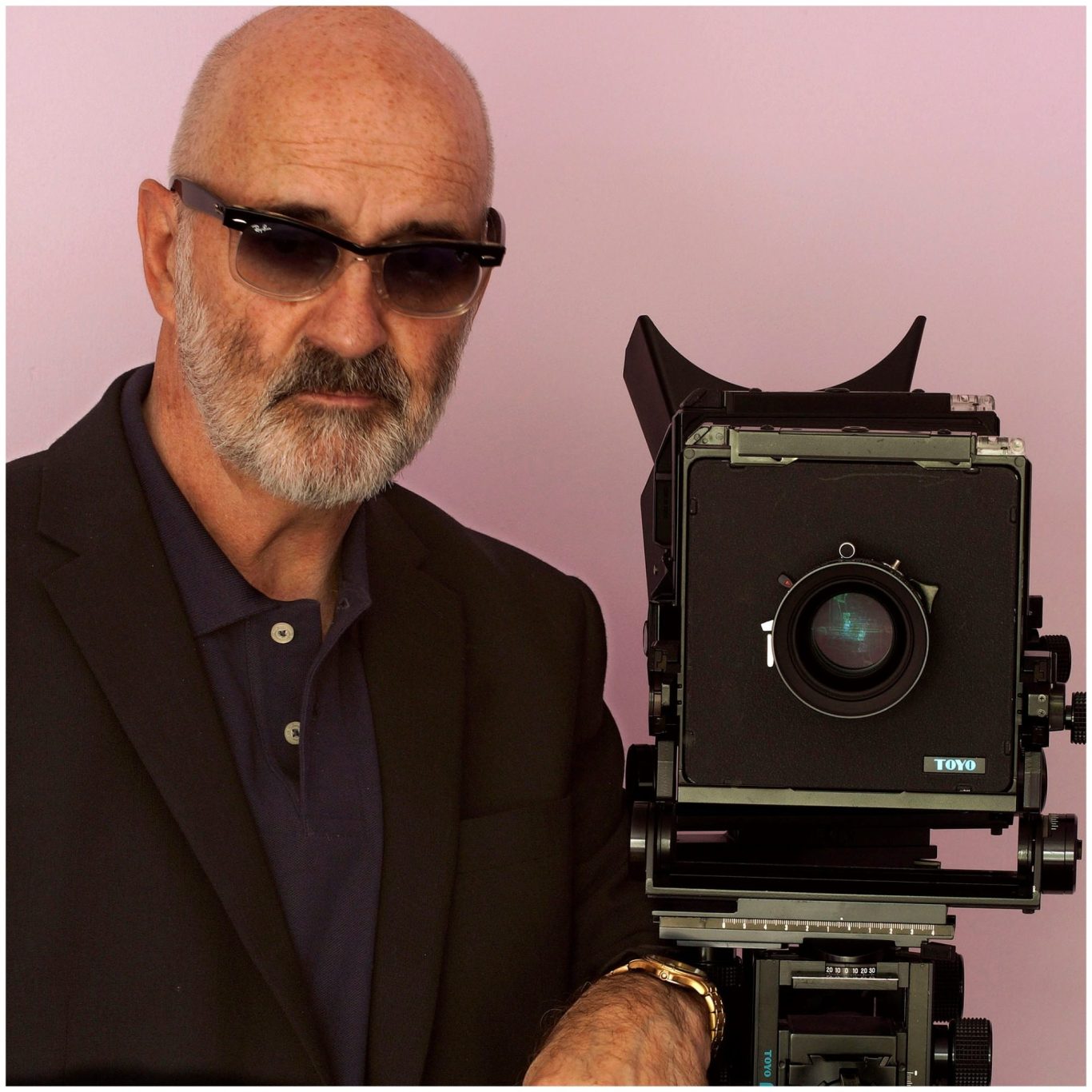
I am neither a literary genius nor a website design expert, obviously! I am simply someone following the evidence presented to me, using my own unbiased, inherent intelligence to ask questions, inspire curiosity, and share insights that may help guide us into a new era.
JK. (2025)
Challenge`s.
The often preventable and deeply tragic losses stemming from missed opportunities to share one’s story underscore the critical value of open communication. When voices are muted, experiences go unexpressed, and lessons remain untaught, the capacity for understanding, healing, and connection is greatly reduced. These untold narratives not only withhold personal catharsis from individuals but also deprive communities of the chance to learn, empathize, and grow through the wisdom embedded in each unique life journey.
Are the toughest challenges in life those deeply personal, individual ones where there seems to be no alternative, except maybe that free get-out-of-jail card? Every year, countless people, young and old, face that decision.
It may sound cynical, but I began comparing and highlighting two distinct types of challenges: those that involve freedom of choice, such as adventures—whether undertaken alone or in a group—that test ability, endurance, and character; and those that offer no choice, faced individually and in isolation.
Freedom of choice.
Known risks, a thorough risk assessment, and maybe a hint of selfishness? A clear destination, set start and finish dates. Careful planning, intense training, specialized gear, a detailed diet plan, and a dependable backup. The freedom to cancel anytime. Success could bring personal satisfaction, recognition, fame, and maybe even a book to write! If they come up short, reassess and give it another shot. And if they stumbled at the final hurdle, at least they went out doing what they loved.
No choice!
Poland, January. 21- 22. 1945. (Was there a choice!) open for debate!
Forced to leave at a moment’s notice, they grabbed only what they could carry. There was no risk assessment, no training, no specialized equipment, and no support. No destination and no time limit! Survival brought no medals, rewards, or recognition. Walk or risk being shot, murdered, or left to die in the snow covered fields—and many were. They had no idea of their destination or duration, many soldiers expected just two to — three days marching at most, yet nearly 3 months (82 days)—they were still on the road, struggling to survive.
The marches from Poland on January 21–22, 1945, were marked by their punishing length and the extreme hardships endured by the courageous soldiers who persevered, making them among the most harrowing ordeals in modern day history.
An open letter to my father.
This journey began as a personal attempt to understand my father-the man he was, the experiences he carried and the silence that shaped so much of our lives. As i uncovered fragments of his past, i found myself seeing him and myself, with a clarity i never had before.
I share these words for anyone who, never had the chance to say what they felt, or to understand the quiet distance of a parent shaped by hardship. If this letter makes you pause, reflect, or rethink your own story, then it as done what i hoped it would.
Dear Dad,
what iv`e come to realize, that every document i uncovered, every fragment of testimony, every half-remembered story you let slip, wasn`t just a history. It was a map - a map back to you. I`ve been thinking lately about things never said. The conversations we never had. You once told me, " if you ever have to walk a long way, just keep looking down at the ground" I thought it was just advice. But now i see it was survival. A way to keep going when the world around you was to painfull to face.. You were trying to teach me something you could not say out aloud.
Over time, you let slip peices of your story. The sound of the Stukas dive bombing Rouen. The march from Rouen to Trier, the sealed cattle trucks from Trier to Poland. The soldiers in the snow that never woke. The American air raid- how you ran into the woods, and the men who sheltered under the bridge didn`t make it. You probably would have been with them. You survived by inches, by instinct, by fate. Then the finale march from Poland to Bareuth.
Five years as a prisoner of war. That`s a lifetime of silence. And i see now how that silence shaped our family. I never had a joyful, open conversation with you. you were trying to protect us-from the noise inside your head, from the ghosts that never left. But i have come to understand that your quiet was not rejection-it was survival. You were still fighting, long after the war had ended. This letter is my way of reaching you across time, of saying i see you I understand, and i carry your story with me-not just the pain, but the strength and love that lived below the silence.
With love,
Jimmy.
"PS:" Challenge met!
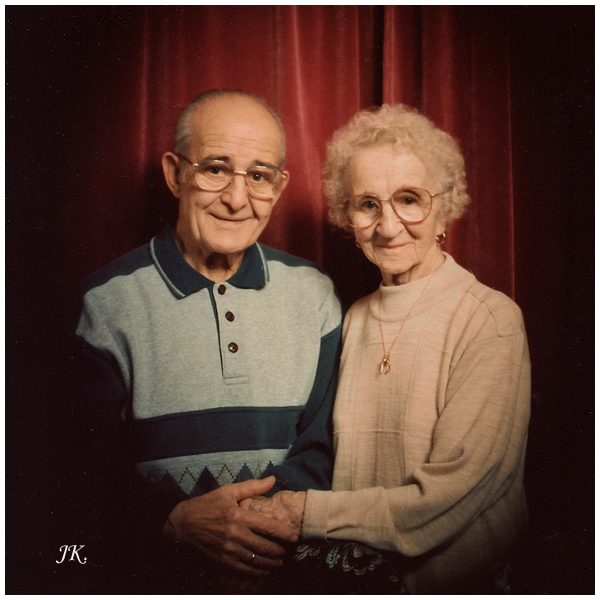
(Home Portrait. Taken in 2001.)